


Description
This week we cover episodes 4-6 of SAS Rogue Heroes. And George is back for more.
We also created a collaborative playlist with our soundtrack wishes for season 2 of the show. You can listen to it here:
Book recs by George
*This section contains affiliate links. If you buy through these links, we get a small percentage, and you get a book and help Rosie stay afloat. Thank you!

SAS Forged in Hell: From Desert Rats to Dogs of War: The Mavericks who Made the SAS by Damien Lewis
I did rec all of Damien Lewis’ books and I stand by that. Every single one of his books is a banger and I really can’t name a favourite, because my favourite book he has written about the SAS of any flavour is simply the most recent one I’ve read.

SAS: Rogue Heroes – the Authorized Wartime History by Ben Macintyre
This is the history the series is based on and follows the SAS from its formation in 1941 to the official disbandment of the original SAS in 1945, tracing their activities through North Africa and Europe. Ben Macintyre has written some of my favourite popular history books, they’re always easy and compelling reads as well as being well-researched. I devoured this one so quickly I thought it was a lot shorter than it actually is. At times, it does skate over characters and events I’d have liked to stay with a little more – but that’s what further reading is for. As a starting point for looking into this history, it really is hard to beat.

Speed Aggression Surprise: The Untold Origins of the SAS by Tom Petch
This history starts with Dudley Clarke in 1939. Like SAS: Rogue Heroes, it follows the SAS through WW2, though Petch focuses further on the contributions of Dudley Clarke and Bill Fraser, and as such really gives the reader a handle on who these two men were, and what brought them both to the positions they found themselves in during the war. You get the sense that Petch is determined to give these men credit that they may have lacked until more recently, and the narrative is all the more poignant for it, particularly in its closing remarks about Bill Fraser and his post-war difficulties. I was glad to read this as an alternative view to the narrative presented in SAS: Rogue Heroes, and by extension, the series.

SAS: The Illustrated History of the SAS by Joshua Levine
In my opinion, this book is best read after reading one of the above, so that it’s easier to grasp the full context of the individual testimonies and anecdotes which make it up. It’s a gorgeously characterful book, the personalities of the men involved shine through and the vivid storytelling is matched by a beautifully curated selection of images, some familiar, many not. One thing that makes it so especially moving though, is the way Mike Sadler’s memories are threaded through the entire book, and the closing photos of Mike from “then and now” – the 1940s and 2020s. With Mike’s passing in January 2024, it feels so fitting that this book can act as a kind of eulogy for him.
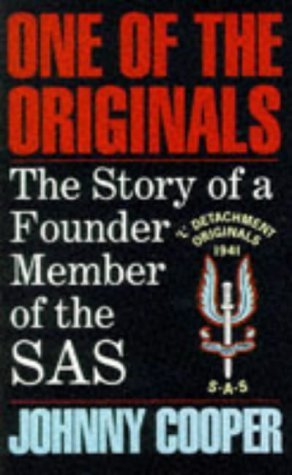
One of the Originals: Story of a Founder Member of the SAS by Johnny Cooper
Johnny Cooper’s account of his career, from his time joining the Scots Guards at 17 through to the end of the war, and his subsequent return to the SAS, with whom he stayed until the 1960s. It’s a personal account and startlingly matter of fact, Cooper does talk about how he felt at times, but often events are described with a straightforward kind of distance which feels interesting in itself. Though there’s a lot of humour and clear affection for the men he served with, Cooper doesn’t shy away from the violence or the tragedy either. It’s dedicated “To the Originals – and especially Reg Seekings” and in his foreword, Cooper singles out thanks for David Stirling, who did not live to see this book published, but encouraged its creation. It speaks volumes to the lifelong bonds these men forged during the war. A really beautiful read.

Paddy Mayne by Hamish Ross
This is, in my opinion, the best direct biography of Paddy Mayne, though at times I think does fall into lionising him a little, in the way that biographies often do with their subjects. Still, Ross acknowledges that Blair Mayne was a complicated individual of deep passions, and these could be expressed in both great and dark ways.I also enjoyed that he takes care to acknowledge previously reported knowledge about Blair Mayne and then dissect the truth of those accounts. There are a few biographies of Paddy Mayne, this is the one that I think is most worth reading.
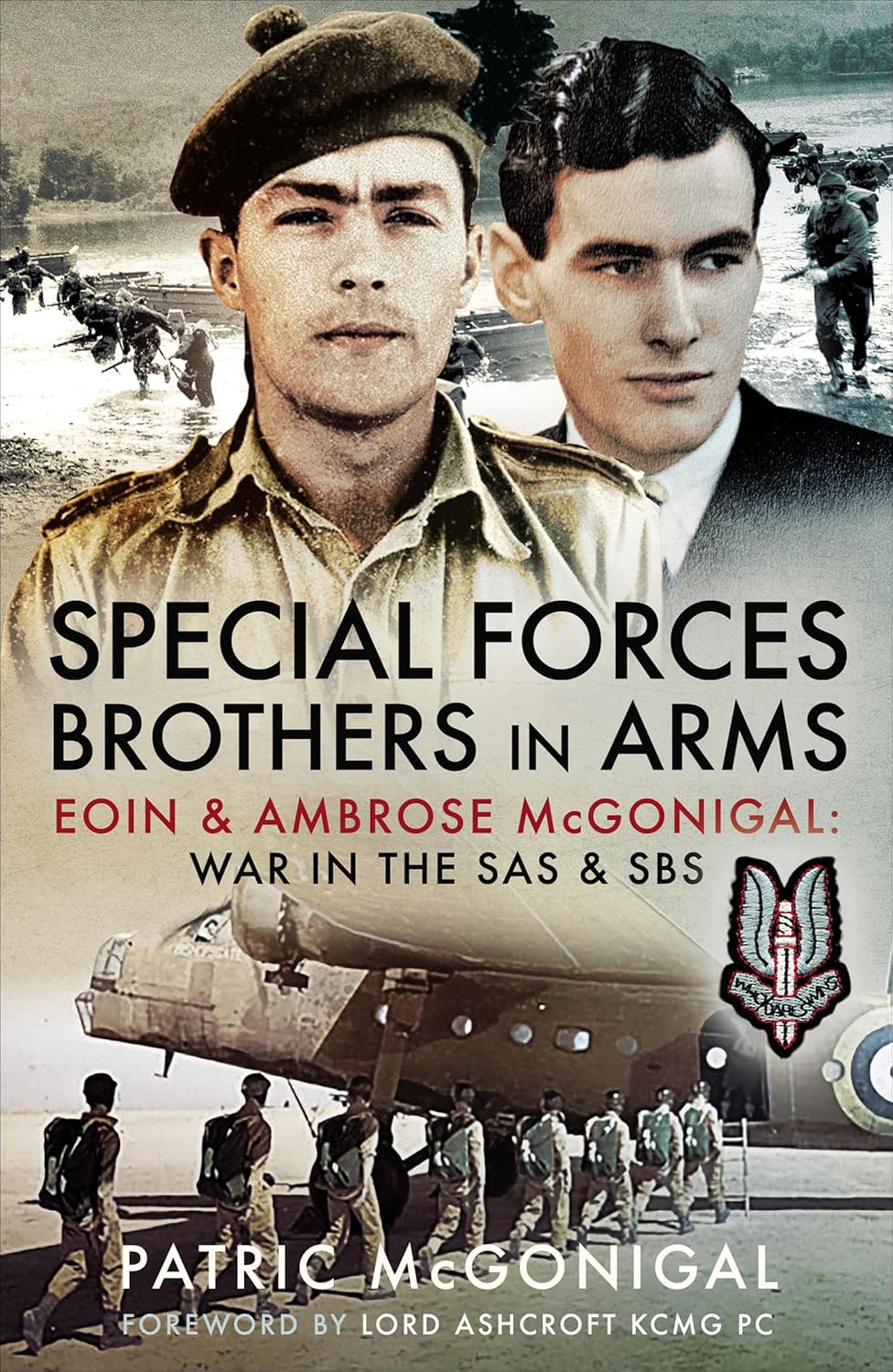
Special Forces Brothers in Arms: Eoin and Ambrose McGonigal: War in the SAS and SBS by Patric McGonigal
Written by Patric McGonigal, Ambrose’s grandson and Eoin’s great-nephew, this is a biography of Eoin and Ambrose McGonigal, which follows the brothers from childhood through to Ambrose’s later life, though primarily concerned with their activities during WW2. It is hands down my favourite of the SAS biographies. Patric McGonigal writes acknowledging a clear agenda, looking into the lives of men he remembers looking up to as a child, and this love and passion is clear throughout. This doesn’t detract from an incredible level of detail, including reproductions of letters, family photos and operation details. The portrait that we get of Eoin, a keen sportsman, a short story writer, a romantic and adventurous soul, is heartbreaking, and perhaps even more so when the book covers the interactions the McGonigal family would subsequently have with Blair Mayne with regards to their lost son. I wasn’t quick to read this one and it’s because I kept stopping to have a little cry. I also reread a chunk of this while staying in a Belfast hotel adjacent to the McGonigal family home, and frankly that was the best worst idea I’d had in a very long time. I hope my neighbours didn’t mind the sobbing through the walls.

The Men who Made the SAS: The History of the Long Range Desert Group by Gavin Mortimer
I read a review which was disappointed this book was about the LRDG as opposed to the SAS, but frankly the LRDG absolutely deserve to have this history told about them. Mike Sadler notwithstanding, we don’t really spend time with the LRDG in the series, and without their expertise, their experience and their direct assistance, Stirling’s men would never have been able to achieve what they did. So this is perhaps an SAS-adjacent rec, but as a comprehensive overview of a vital part of the SAS story, it really is worth reading.
Discover more from the Rosie the Reviewer Podcast
Subscribe to get the latest posts sent to your email.


